Overview
LimpKenFin came to Integral Product Services with an idea that rethinks how people move through water. Most swim gear only helps one part of the body: flippers for the feet, paddles for the hands. Everything in between does very little.
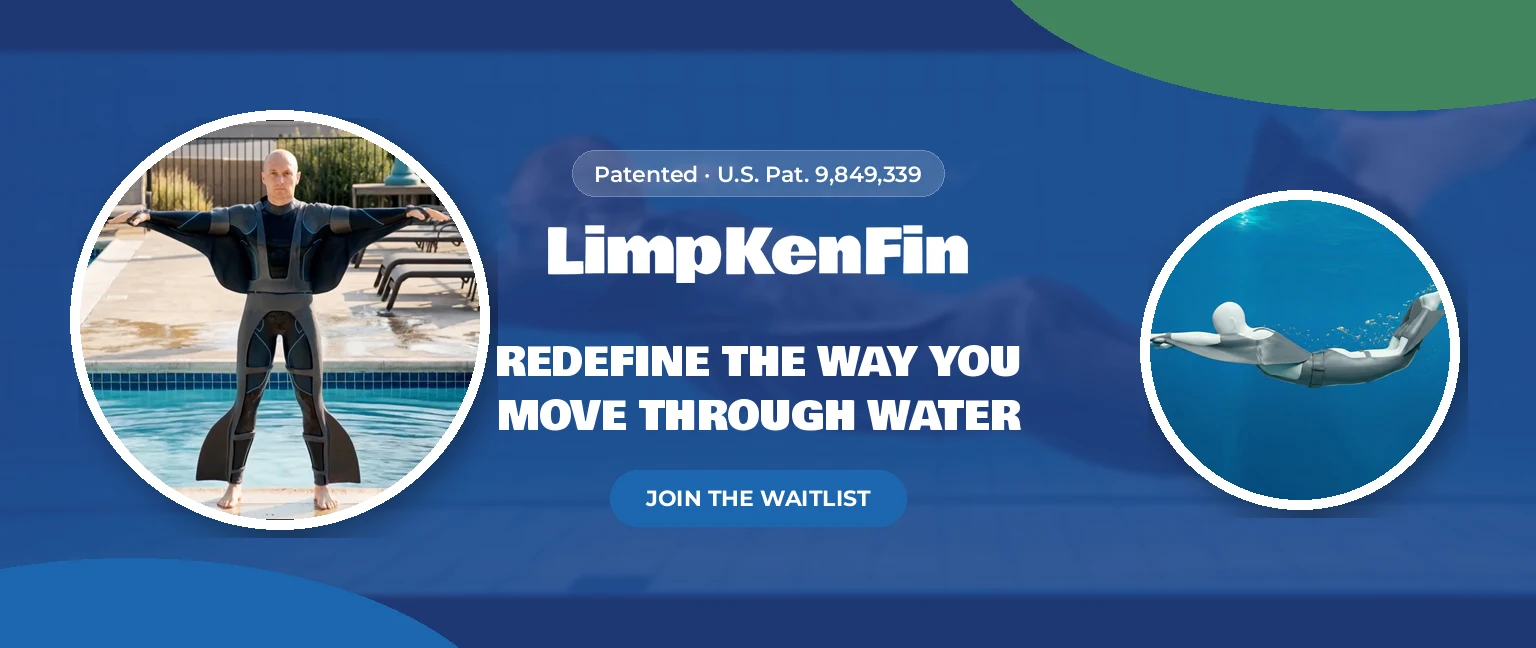
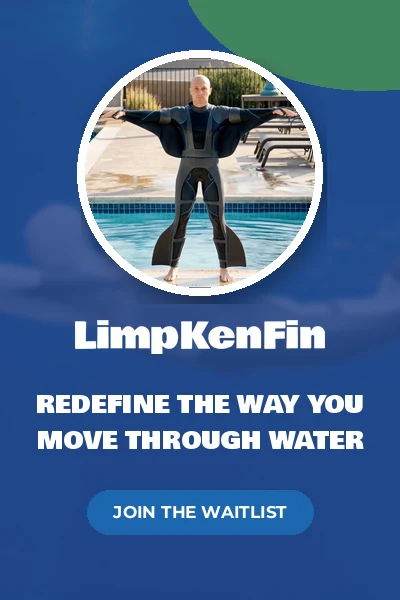
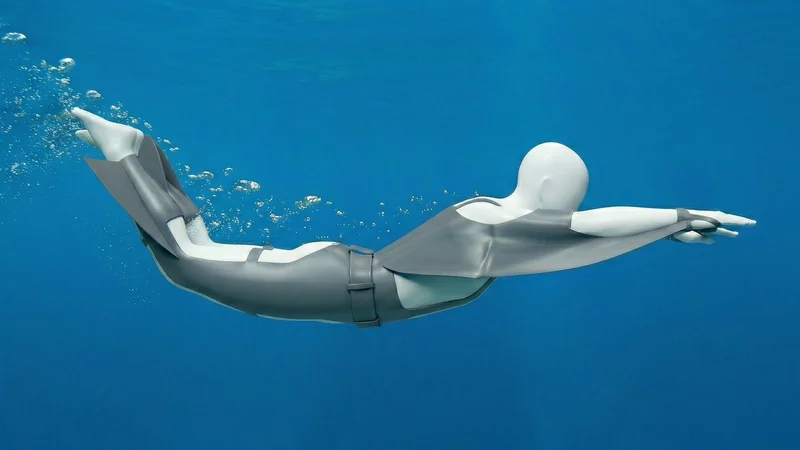
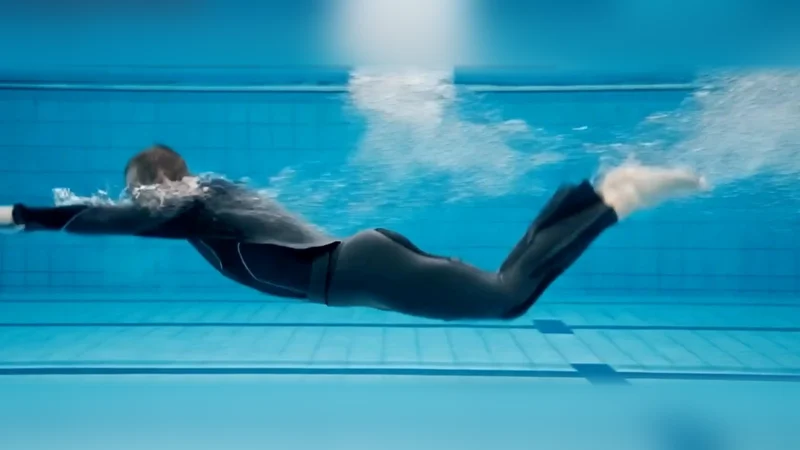
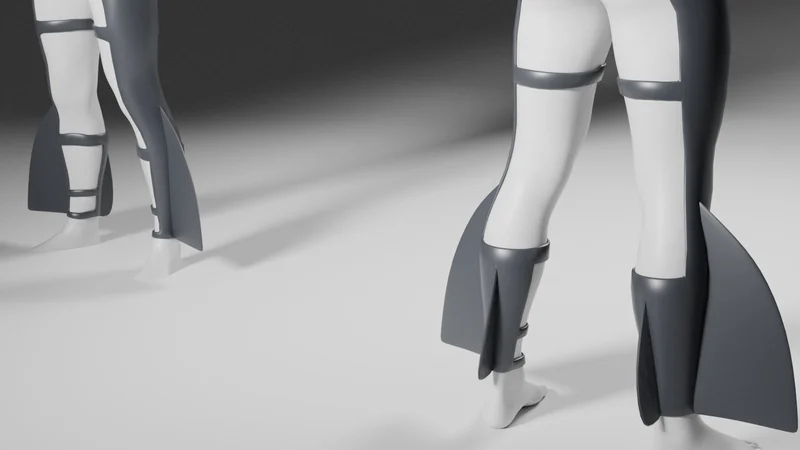
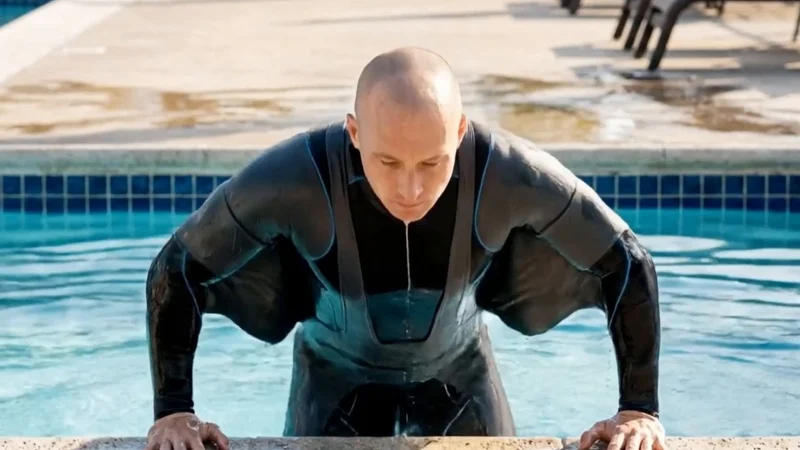
The product, called the LimpKenFin Body Fin, is a patented two-piece fin for the whole body. A torso fin forms a wing from wrist to waist, and fin leggings join the legs, so the arms, torso and legs can all push against the water together. It’s designed for swimmers, snorkelers and scuba divers who want to use their whole body in the water.
LimpKenFin already had a website, but it was set up as an online store with a price and an Add to Cart button, even though the product wasn’t in production yet. It also carried performance claims that couldn’t be backed up yet.
Our role was to reposition the brand for where the product actually is today: patented and heading toward licensing and production. We rebuilt the website around a waitlist, added the founders’ own questions to measure demand, gave them a private dashboard to watch it grow, and moved the site off Shopify onto IPS hosting.
The Challenge
LimpKenFin had a patented, very visual product, but the old setup was working against it.
Key challenges included:
- Explaining in a few seconds a product most people have never seen before
- Replacing a store checkout with a better next step for a product that isn’t for sale yet
- Rewording performance claims as what the product is designed to do
- Making it clear who it’s for, and that it’s not meant for diving or jumping into the water
- Finding out how many people want it, how many they’d buy and what they’d pay, before anyone spends money on manufacturing
Without a clear message and a way to measure interest, the founders had nothing concrete to show the swim and dive companies they were approaching about licensing.
LimpKenFin needed a simple product story, a site built for the stage the product is in, and real demand data.
Our Approach
1. Product Positioning & Messaging
We started by defining the core idea behind LimpKenFin.
Rather than presenting it as another pair of fins, we focused on what makes it different:
Redefine the way you move through water.
This message speaks to swimmers, snorkelers and divers who want more from every stroke and kick, and makes the full-body idea easy to picture.
Our work included:
- Positioning and headline messaging
- Plain-language explanations of the torso fin and the fin leggings
- A simple 3-step “how it works” story: put on the torso fin, strap on the leggings, push against the water
- A side-by-side “LimpKenFin vs flippers alone” comparison
- The U.S. patent number shown on the site, so “patented” carries real weight
- The founders’ own story, in their own words
2. Waitlist Website, Signup Questions & Dashboard
With the message set, we rebuilt limpkenfin.com as a fast, mobile-friendly waitlist website in the LimpKenFin brand colors and fonts, using the founders’ 3D renders and product video.
Every button invites visitors to join the waitlist with their email, instead of sending them to a checkout for a product that isn’t available yet.
Key elements included:
- A clear hero with the main idea and a single call to action
- Problem vs. solution, how it works, features, specs and FAQ sections
- Three optional questions after signup, chosen by the founders: Would you be interested? How many? What would you pay?
- A short privacy policy page, plus a note by every form explaining how emails may be shared with potential licensing or manufacturing partners and are never sold
- Redirects from the old store pages, so old links and bookmarks still land in the right place
- A private dashboard for the founders showing total signups, daily growth, milestones, a summary of the answers, where each signup came from, ready-made share links and a QR code
The website became the central place to introduce the product and collect real demand data.
3. Launch Foundation & Hosting
Finally, we set LimpKenFin up so it’s ready to grow into licensing deals and a full launch.
This included:
- Moving the website off Shopify to IPS hosting, so it no longer needs a monthly store plan
- Connecting the domain with a secure (HTTPS) connection
- Saving a full backup of the old store before the switch, so nothing was lost
- A waitlist that becomes the launch-day email list
- Demand data the founders can share with potential licensing and manufacturing partners
Rather than launching cold, LimpKenFin can now show partners real interest and launch to people who’ve already raised their hand.
The Results
✓ Clear product story
Visitors can see what LimpKenFin is and how it works within seconds.
✓ A website that fits the stage
The new limpkenfin.com captures interest with a waitlist instead of a checkout for a product that isn’t available yet.
✓ Real demand data
The signup questions and dashboard show how many people want LimpKenFin, how many they’d buy and what they’d pay.
✓ Lower running costs
The new site no longer needs a monthly Shopify plan.
✓ Licensing-ready foundation
LimpKenFin has a growing list and demand numbers to share with swim and dive companies, and a site ready to add checkout when the product is ready to sell.